Optimal Timing for Thermofoil Repairs
Thermofoil repairs are most effective when performed during periods of moderate temperature and humidity. Ideally, repairs should be scheduled in environments with consistent indoor conditions to ensure proper adhesion and finish. Avoiding extreme heat or cold helps prevent further damage and ensures the longevity of the repair.
Timing is crucial for optimal results. Cooler months with stable indoor climates typically provide the best conditions for thermofoil repair projects. Performing repairs during these times minimizes the risk of material warping or adhesive failure, leading to a more durable and seamless finish.
Spring and fall often offer the best conditions due to moderate temperatures and humidity levels, promoting better adhesion and curing.
High temperatures, humidity, or rapid temperature fluctuations can compromise repair quality and should be avoided.
Extreme heat can cause adhesives to soften prematurely, while cold temperatures hinder proper bonding, both affecting the durability of thermofoil repairs.
Monitoring local weather patterns and indoor conditions helps determine the most suitable window for scheduling repairs.
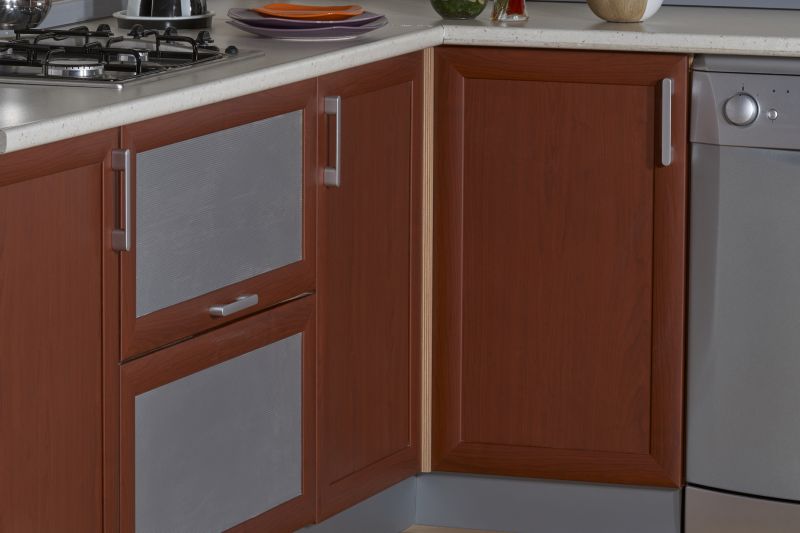
Spring provides moderate temperatures ideal for thermofoil repairs, ensuring better adhesion.
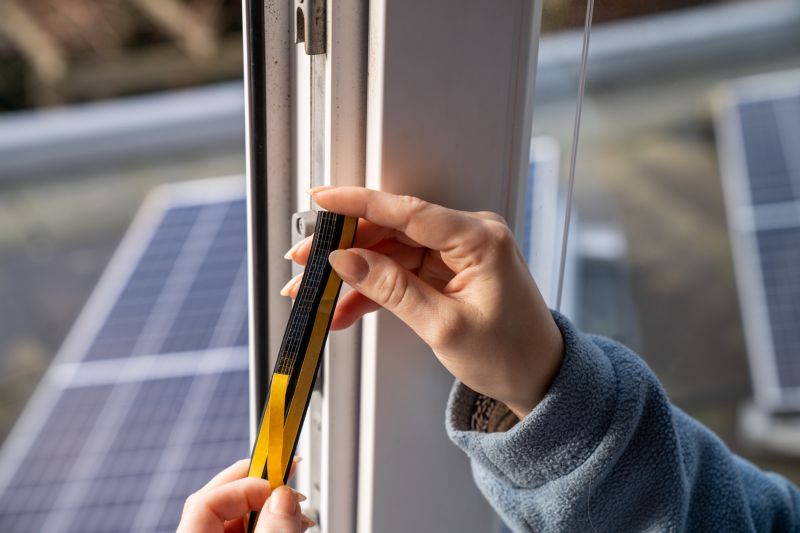
Maintaining stable indoor conditions during repair enhances results and durability.
Choosing the right season minimizes risks associated with temperature extremes.
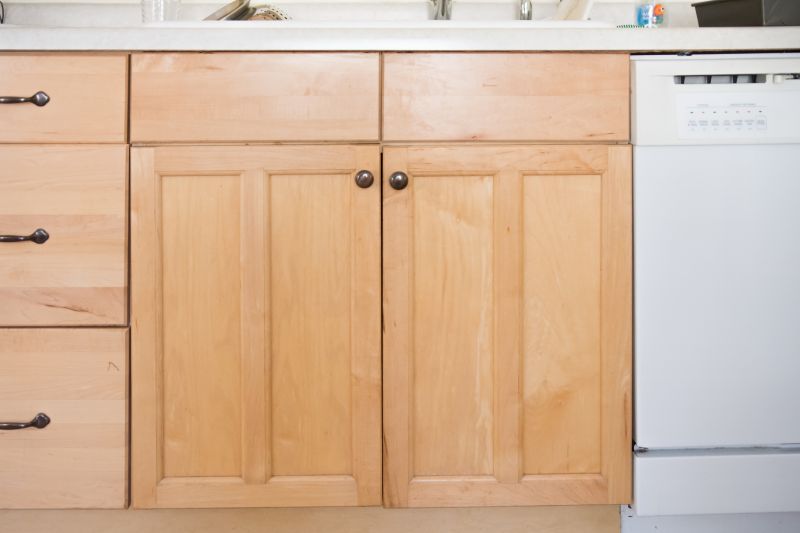
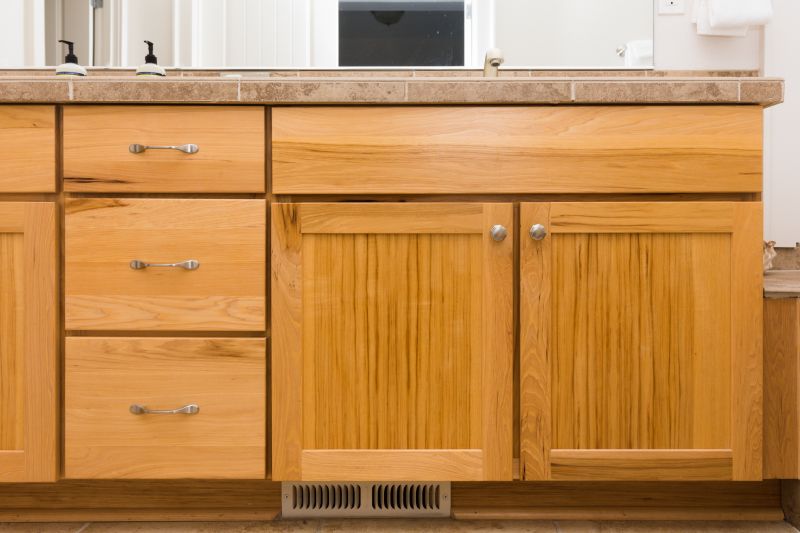
Ways to make Thermofoil Repairs work in tight or awkward layouts.
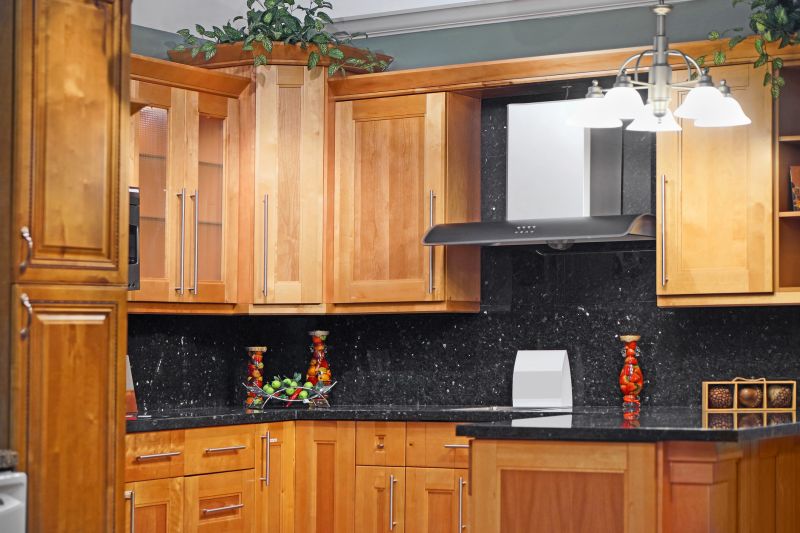
Popular materials for Thermofoil Repairs and why they hold up over time.
Simple add-ons that improve Thermofoil Repairs without blowing the budget.
Thermofoil is a popular material used in cabinet and furniture manufacturing due to its affordability and aesthetic appeal. However, it can be susceptible to damage from heat, moisture, and everyday wear. Proper timing of repairs ensures that the material is restored effectively, maintaining its appearance and functionality.
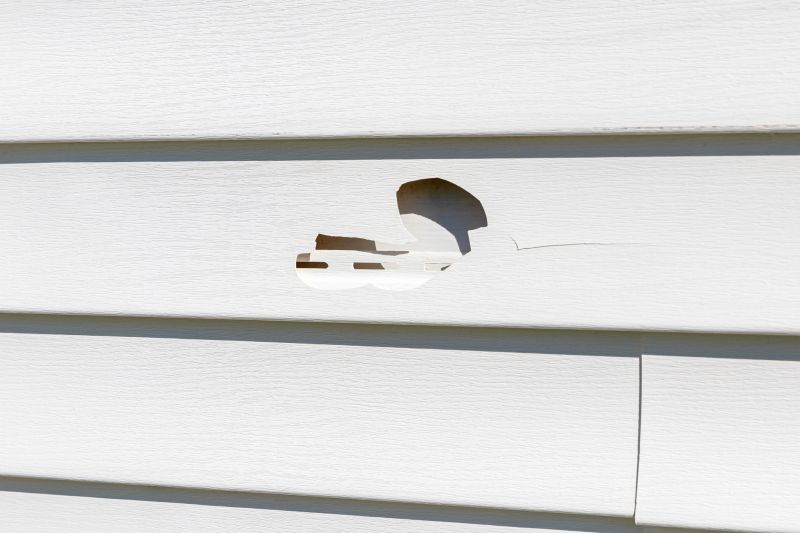
Cracks and peels are common issues that benefit from timely repairs.
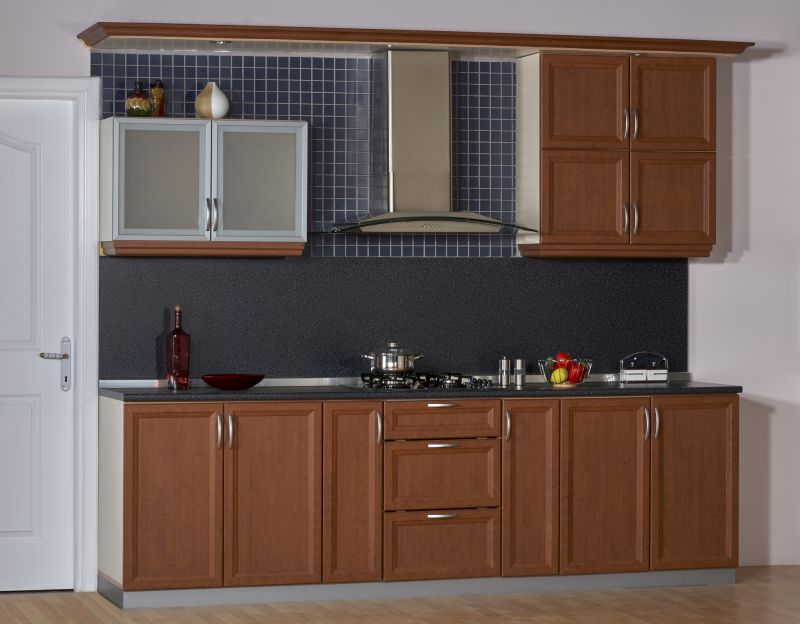
A seamless repair restores the surface's original look and durability.
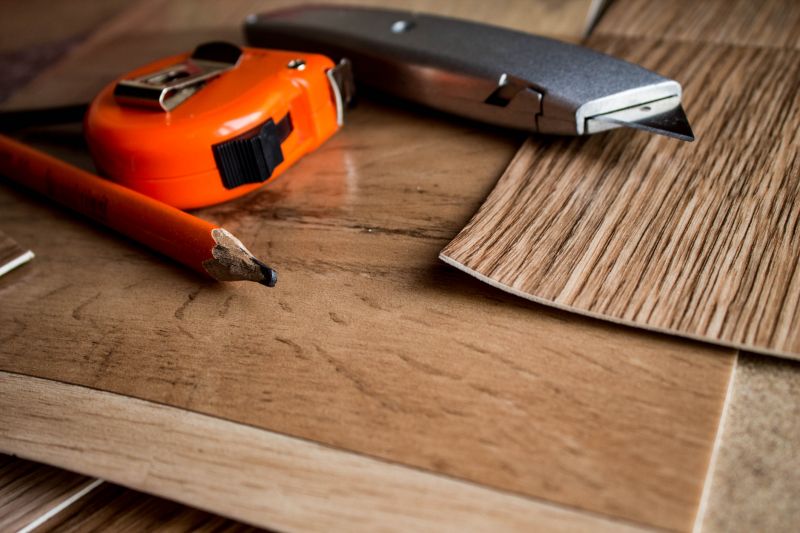
Proper tools and materials are essential for effective restoration.
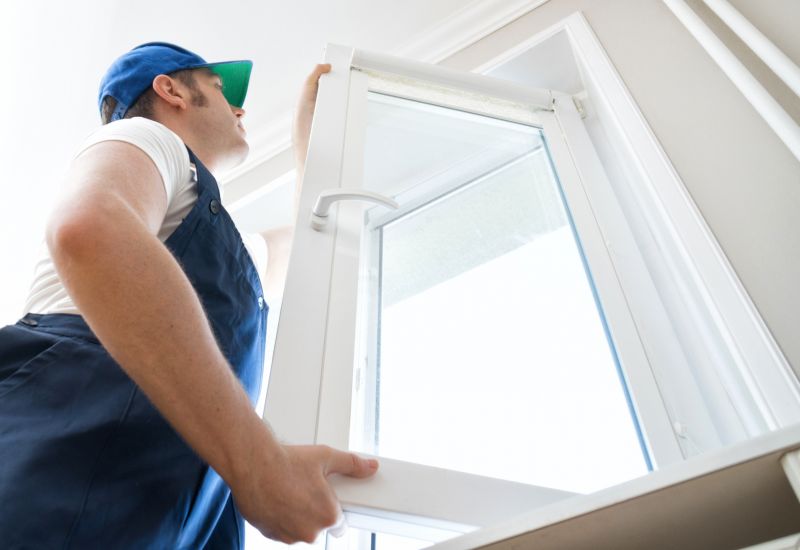
Visual comparison highlights the effectiveness of proper timing and technique.
| Season | Ideal Conditions |
|---|---|
| Spring | Moderate temperatures, low humidity |
| Summer | Avoid high heat and humidity |
| Fall | Cool, stable indoor conditions |
| Winter | Ensure indoor climate control |
| Unfavorable | Extreme heat, cold, or humidity |
Understanding the best timing for thermofoil repairs helps achieve a high-quality finish and extends the life of the material. Proper preparation and environmental control are key factors in ensuring successful repairs.
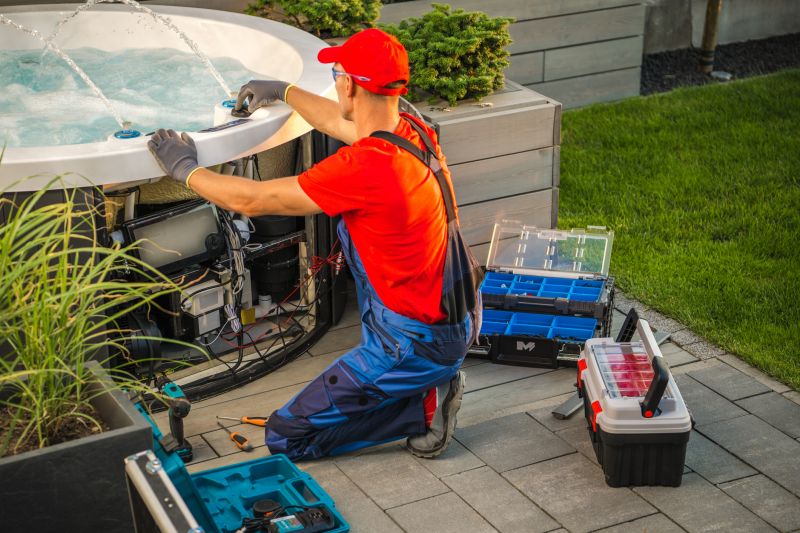
Proper environmental conditions support effective repair work.

A well-timed repair maintains the surface’s appearance.
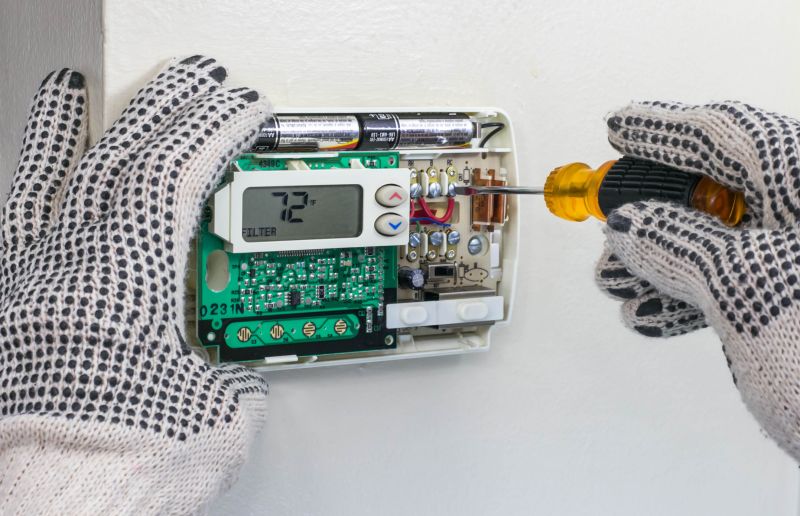
Temperature and humidity control are essential for repair success.
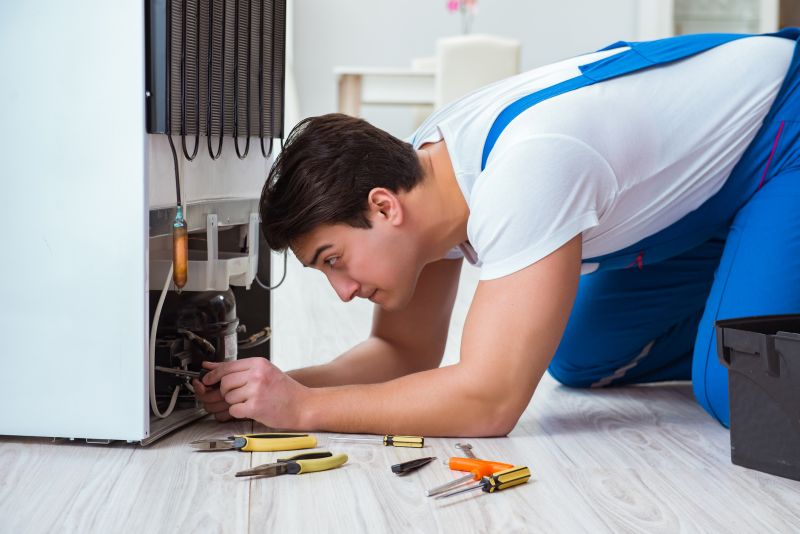
Scheduling repairs during suitable seasons ensures durability.
For those considering thermofoil repairs, scheduling during favorable environmental conditions can significantly influence the outcome. Proper timing not only enhances appearance but also extends the longevity of the repaired surface.
Interested in thermofoil repairs? Filling out the contact form provides an opportunity to discuss scheduling options and ensure repairs are performed at the most suitable time for optimal results.